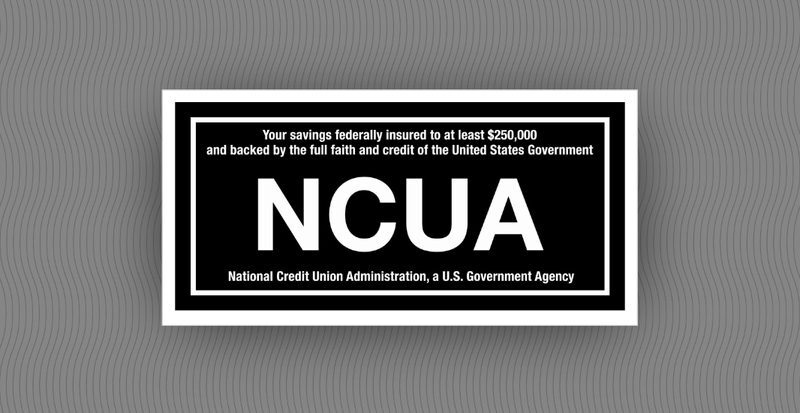
What Is NCUA and Why It Matters to You
When you choose an NCUA-insured credit union, you’re not just banking—you’re protecting your hard-earned money. Read why it matters to you.

Checking
Savings
New Member
Join Texas Tech Credit Union and start banking smarter today.
Open an AccountBanking
Move Money
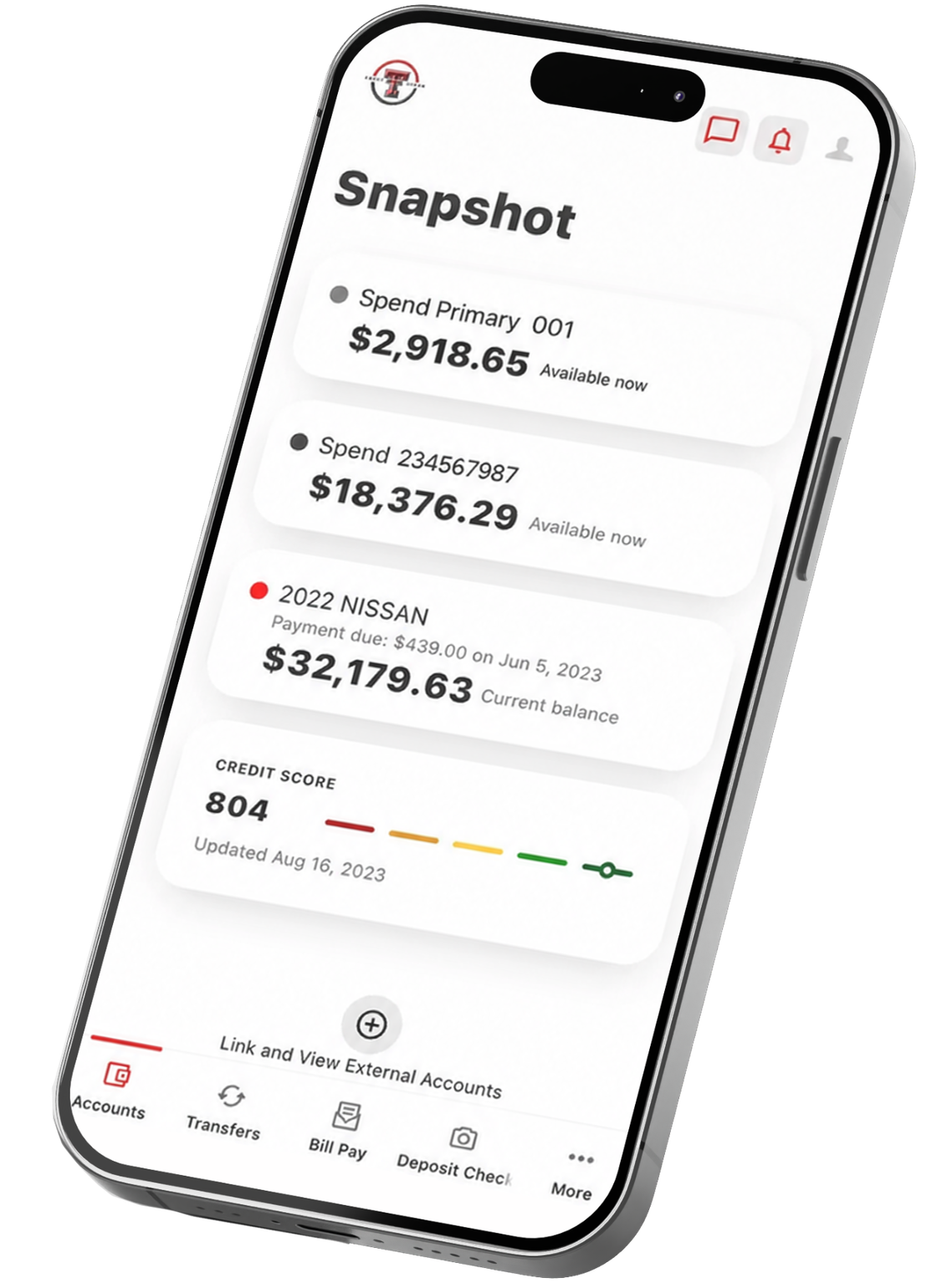
Mobile App
Download the Texas Tech Credit Union app and take your accounts with you.
Open an AccountWhat We Offer
Loan Options

Get Pre-Qualified
Apply online in minutes and a local loan officer will take it from there.
Apply Now Continue your saved applicationVehicle Loans
Personal Loans

Get Pre-Approved
Apply online in minutes and get a same-day decision on your loan.
Apply NowHelp
Resources
Here to help
Our West Texas team answers the phone. Reach out and we will get you sorted.
Contact UsFraud Prevention
Fraud prevention is about spotting scams early, protecting your personal information, and taking fast action if something feels off.


Stopping fraudsters in their tracks is easier if you understand how they operate.

Avoid clicking on suspicious links or attachments.
Create unique passwords and update them regularly.
If someone asks for personal information, confirm their identity through official channels.
Add an extra layer of security to your accounts.
When you choose an NCUA-insured credit union, you’re not just banking—you’re protecting your hard-earned money. Read why it matters to you.

Staying safe starts with staying informed. Knowing how imposter scams work—and the red flags to watch for—can help you stop fraud before it starts.

As cybercrime becomes increasingly more common, it’s important to protect your online banking account with a strong password that hackers can’t crack.